
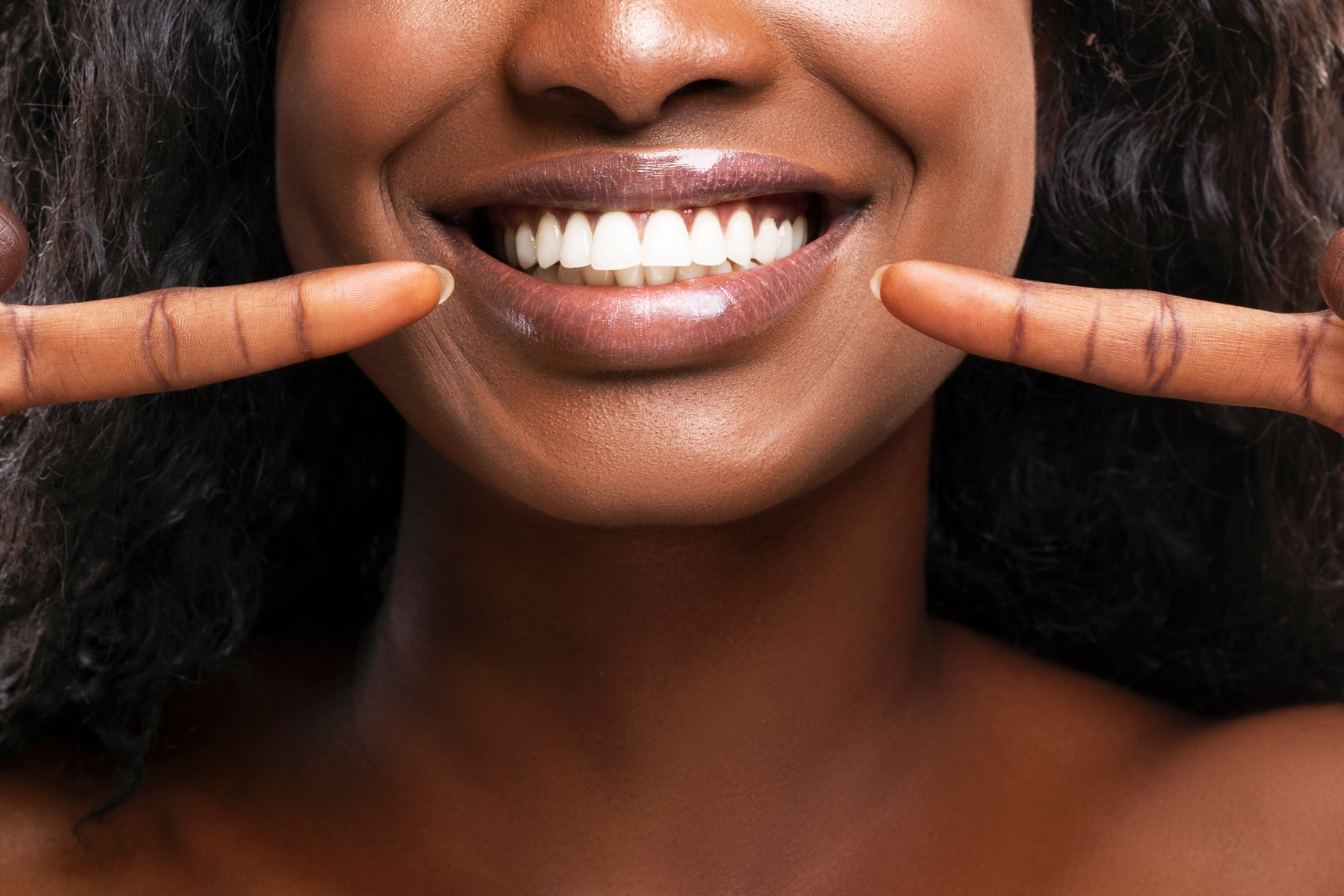
Tooth sensitivity is one of the most common reasons people hesitate to try teeth whitening. If cold drinks make you wince or you’ve had a bad experience with over-the-counter strips before, it’s understandable to be cautious.
The good news is that sensitivity doesn’t have to rule out whitening altogether. Here’s what’s actually going on and how to approach it safely.
Why Teeth Whitening Can Cause Sensitivity
How Whitening Agents Interact With Your Enamel
Whitening products use peroxide-based bleaching agents to break down stains that have settled beneath the surface of your enamel. During this process, the whitening agent temporarily opens the pores of the enamel, which can allow sensations to reach the nerves inside the tooth more easily.
For people who already have thinner enamel, existing sensitivity, or gum recession, this effect can be more noticeable.
Not All Sensitivity Is the Same
There’s a difference between mild, temporary sensitivity after whitening and sharp, lingering pain that signals an underlying issue. Temporary sensitivity that fades within a day or two after treatment is common and manageable. Pain that persists or worsens is worth discussing with a dentist before pursuing any whitening treatment.
Why Over-the-Counter Products Are Often the Problem
One-Size-Fits-All Trays Don’t Fit Everyone
A major source of whitening sensitivity from store-bought kits is poorly fitting trays. When whitening gel leaks out of ill-fitting trays, it contacts the gums and surrounding tissue, causing irritation that gets mistaken for tooth sensitivity.
Concentration & Contact Time Matter
Over-the-counter strips and kits are designed to be used by anyone, which means the concentration and contact time aren’t tailored to your enamel thickness, sensitivity level, or the current condition of your teeth. What works without issue for one person can cause significant discomfort for another.
How Professional Whitening Is Different for Sensitive Patients
Custom Trays Mean Better Fit & Less Irritation
Desert Valley Dental uses custom-fitted whitening trays made from impressions of your teeth. A precise fit keeps the whitening gel exactly where it should be and away from your gums, reducing one of the most common sources of discomfort.
Concentration Can Be Adjusted to Your Needs
With professional whitening, the strength of the bleaching agent can be tailored to your sensitivity level. Patients with more sensitive teeth can start with a lower concentration and still achieve meaningful results, just at a pace that works for their comfort.
In-Office Treatment Is Supervised Throughout
During in-office whitening, the process is monitored at every stage to keep sensitivity to a minimum. The team can adjust timing, check for gum irritation, and make real-time decisions that an at-home kit simply cannot account for.
Tips for Managing Sensitivity Before & After Whitening
Use a Sensitivity Toothpaste in the Weeks Before Treatment
Switching to a sensitivity toothpaste a few weeks before your whitening appointment can help build tolerance. These toothpastes work by blocking the pathways that transmit sensation to the nerves, reducing discomfort during and after treatment.
Avoid Extremely Hot or Cold Foods After Treatment
In the 24 to 48 hours following whitening, your enamel pores are more open than usual. Avoiding temperature extremes during this window gives your teeth time to remineralize and reduces the chance of post-treatment sensitivity.
Space Out Your Treatments
If you’re using at-home whitening kits between professional visits, give your teeth adequate time to recover between sessions rather than whitening every day. Your dentist can help you find a schedule that delivers results without overloading your enamel.
When Whitening May Not Be the Right First Step
If you have untreated cavities, significant gum recession, or cracked teeth, whitening should wait until those issues are addressed. Whitening over damaged or compromised teeth can worsen sensitivity and cause more harm than good.
A comprehensive dental exam before starting any whitening treatment is the best way to know whether your teeth are ready and which approach will work best for you.
Why Choose Desert Valley Dental for Teeth Whitening in Reno
Desert Valley Dental serves patients across five convenient locations in Reno, Sun Valley, North Valleys, Damonte, and Sparks. The team takes a patient-centered approach to cosmetic dentistry, taking the time to understand your goals and any concerns before recommending treatment.
Whether you’re interested in in-office whitening for dramatic results or a take-home kit for flexibility, Desert Valley Dental has options that can be tailored to your comfort level and schedule.
Schedule Your Teeth Whitening Consultation at Desert Valley Dental
Ready to talk through your options? Make an appointment at any of Desert Valley Dental’s five Reno-area locations and find out which whitening approach is right for your teeth.