
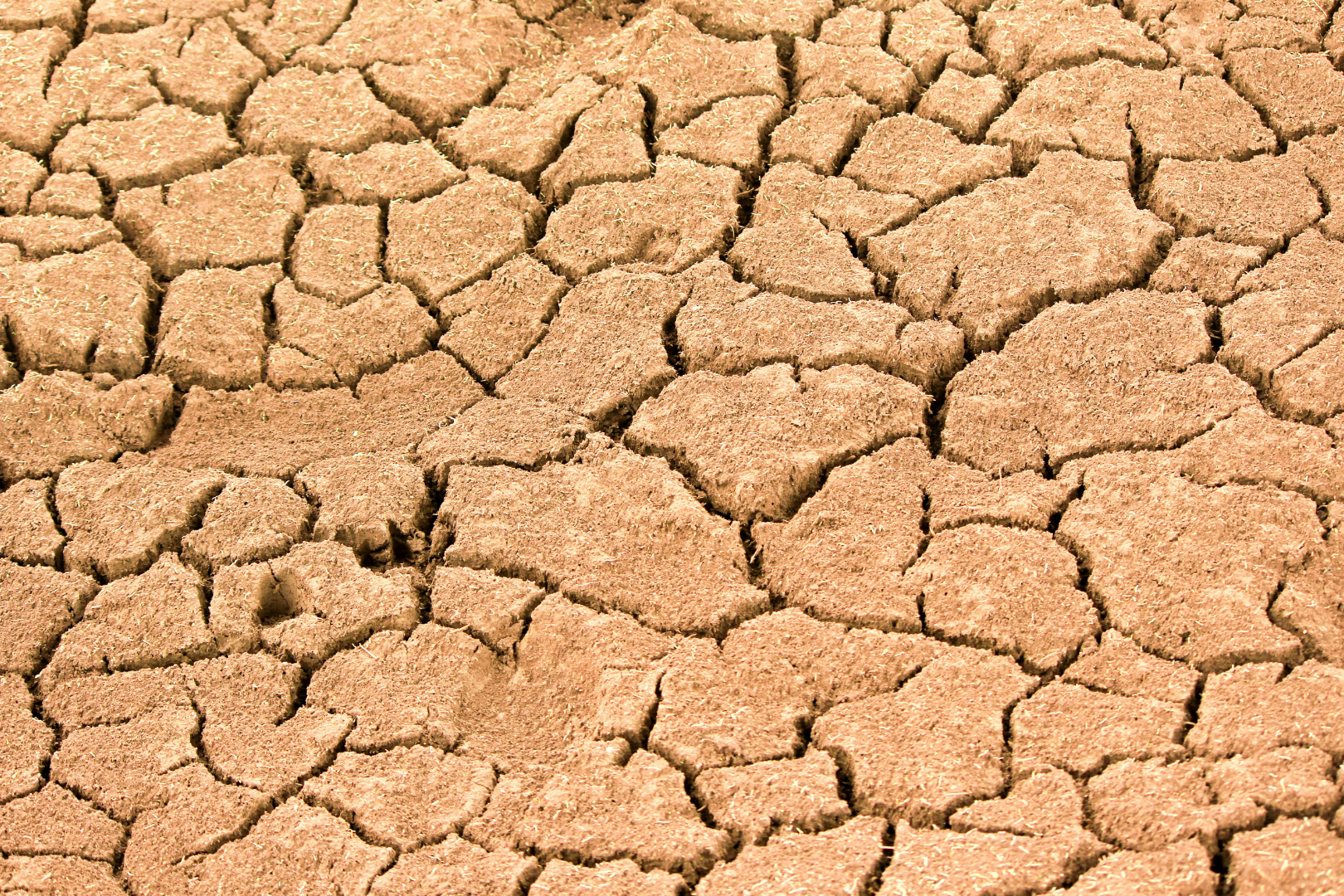
Northern Nevada sits in the high desert, and most Reno residents notice the dry air in their skin and lips first. Fewer realize it can dry out their mouth too, and a mouth without enough saliva is more vulnerable to cavities and gum problems.
As furnaces start running this fall, indoor air gets even drier. Here’s what causes dry mouth, how it affects your teeth, and what helps.
What Dry Mouth Is & Why Saliva Matters
Dry mouth, also called xerostomia, happens when the salivary glands don’t make enough saliva to keep the mouth moist. It can feel sticky or cottony, and many people notice it most when they wake up.
Saliva rinses away food, neutralizes the acids bacteria produce after you eat, and carries minerals that help repair early enamel damage. When saliva runs low, that protection drops off with it.
Common Causes of Dry Mouth in Northern Nevada
Low Humidity, Altitude & Indoor Heat
Reno’s elevation and desert climate keep humidity low for much of the year, and you lose more moisture just by breathing dry air. Once temperatures drop, forced air heating pulls even more moisture out of homes and offices. Many patients feel it most from October through early spring.
Medications
Hundreds of common prescriptions and store remedies list dry mouth as a side effect, including many allergy medicines, decongestants and blood pressure medications. If your mouth feels drier after starting something new, mention it to your dentist and your doctor.
Mouth Breathing, Caffeine & Alcohol
Breathing through your mouth at night, often from congestion or snoring, dries it out for hours. Coffee, alcohol, tobacco and alcohol based mouthwash all add to the problem.
How Dry Mouth Affects Your Teeth & Gums
Without enough saliva to wash away sugar and buffer acids, decay can develop faster than usual, often along the gumline or around older fillings. Caught early, these spots can usually be repaired with tooth colored composite fillings.
Plaque also builds up more easily in a dry mouth, which irritates the gums and can raise the risk of gum disease. Persistent bad breath, cracked lips and dentures that don’t fit as comfortably are other common signs.
Simple Ways to Find Relief From Dry Mouth at Home
- Sip water throughout the day instead of drinking a lot at once
- Run a bedroom humidifier at night, when dryness tends to be worst
- Chew sugarless gum with xylitol to get saliva flowing
- Cut back on caffeine and alcohol, especially later in the day
- Use a fluoride toothpaste and a mouthwash made without alcohol
When to Talk to Your Dentist About Dry Mouth
Some dryness after a long hike or a cup of coffee is normal. If your mouth feels dry most days, or you notice new sensitivity, frequent cavities or sore gums, bring it up at your next visit.
Regular dental exams and cleanings give the team a chance to catch early decay or gum irritation. Your dentist may suggest a fluoride treatment, a prescription strength toothpaste or more frequent cleanings while you work on the cause.
Why Choose Desert Valley Dental for Dry Mouth Care
Desert Valley Dental has provided friendly family dental care across Northern Nevada for over 30 years. With five locations in Reno, Sun Valley, North Valleys, Sparks, and Damonte Ranch, there’s an office close to home or work. The team knows how the local climate affects oral health and builds prevention plans around your habits, medications and symptoms.
Get Relief From Dry Mouth at Desert Valley Dental in Reno
Dry mouth is common in the high desert, and you don’t have to put up with it. Schedule an appointment at any of Desert Valley Dental’s five locations today.